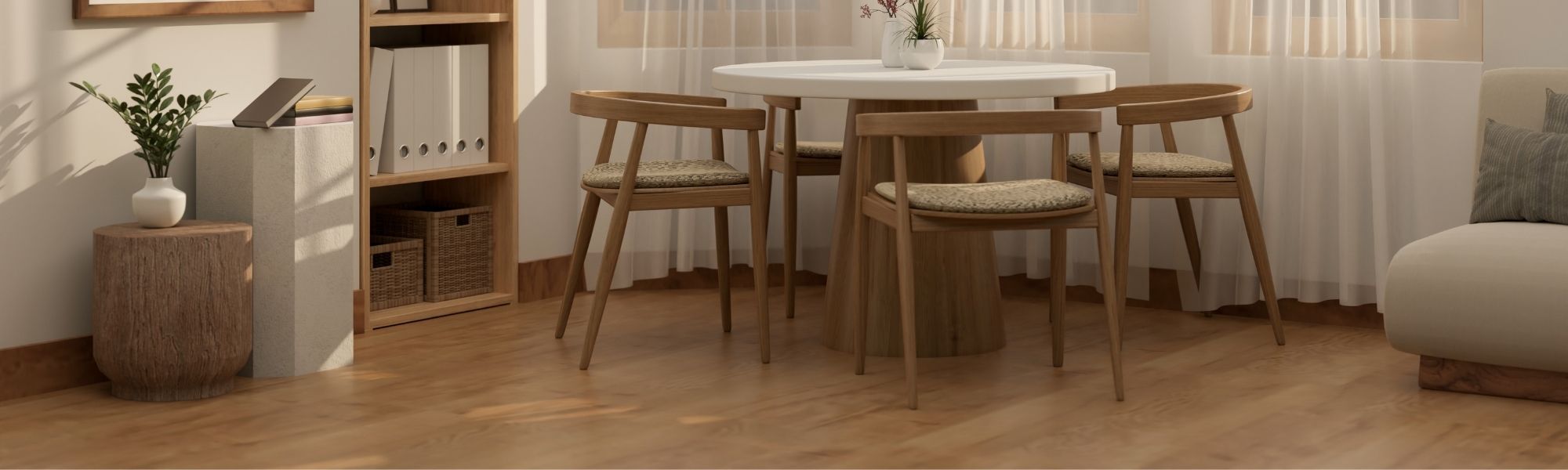
The dining area is no longer just a place to eat; it has become a multifunctional hub of the home.
In 2025, the focus is on creating spaces that are functional, beautiful, and seamlessly connected to other parts of the home, especially the kitchen. The right type of dining room floor plays a crucial role in tying these elements together, ensuring the space is both practical and stylish, and offers excellent moisture resistance. Let’s explore the latest and best trends for dining areas in 2025 and how flooring choices can transform them into the true heart of the home.
Multipurpose Dining Areas: Combining Functionality and Beauty
Dining spaces are becoming more versatile, often serving as workstations, play areas, or additional seating for gatherings. To make these spaces current and functional:
- Furniture Choices: Opt for extendable tables, sets of stackable chairs, and built-in storage options like benches with hidden compartments.
- Flooring Tie-In: Use durable and easy-to-clean flooring like luxury vinyl plank (LVP) or tile. These materials can handle spills, scratches, and heavy foot traffic while maintaining a polished look.
WHAT’S TRENDING IN 2025
What are the predicted dining area trends for 2025?
In 2025, dining areas are expected to feature sustainable materials, multifunctional furniture, and smart technology integration. Emphasis will be on creating cozy yet functional spaces that cater to diverse family needs while embracing eco-friendly practices and modern design aesthetics.
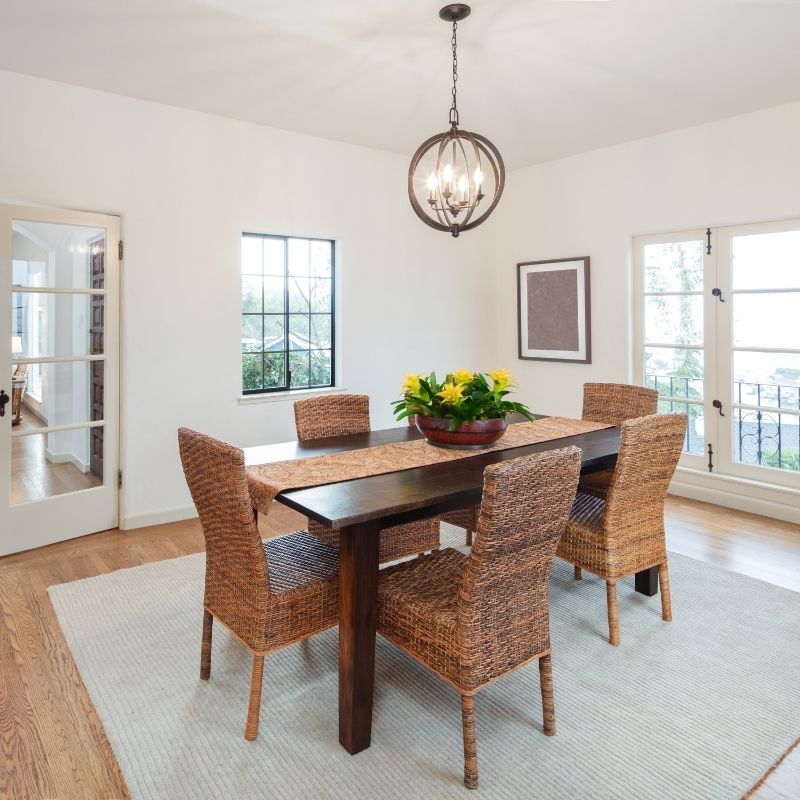
Compact and Space-Saving Designs for Smaller Homes
As living spaces shrink, dining areas need to adapt:
- Furniture Solutions: Look for narrow tables or foldable options that maximize space without compromising functionality.
- Flooring Tie-In: Light-toned flooring like natural oak or neutral tiles can make a small space feel larger and brighter.
PRO TIP
If the kitchen flooring features bold patterns or colors, choose a complementary but simpler design for the dining area to maintain balance.
Natural Materials and Sustainable Design
Eco-conscious choices are shaping dining areas in 2025:
- Material Trends: Incorporate reclaimed wood tables, organic or upcycled fabrics, bamboo chairs, or stone accents. Hardwoods are superior to laminates from this standpoint, which generally cannot be refinished nor recycled.
- Flooring Tie-In: Sustainable flooring like cork, bamboo, or reclaimed hardwood reinforces an eco-friendly aesthetic while adding warmth and texture.
PRO TIP
Pair natural materials with neutral flooring to let the furniture and decor shine. For example, a bamboo dining set looks stunning against light cork or natural wood floors.
Shop the look
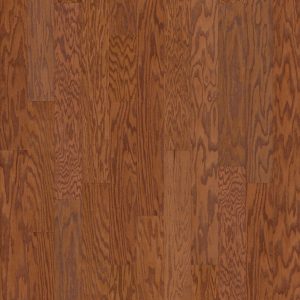
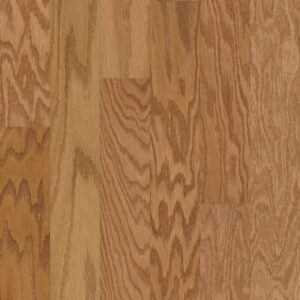

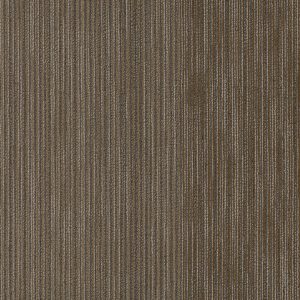
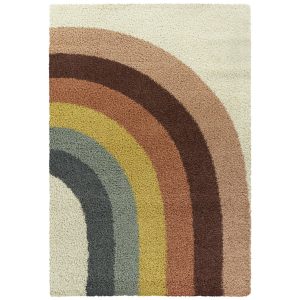
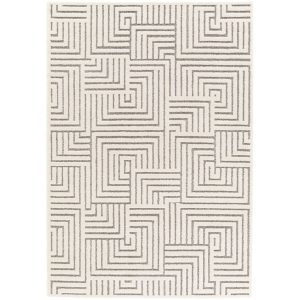
Smart Lighting and Flooring That Complements It
Lighting sets the tone for any dining space, and 2025 is all about layered lighting:
- Design Elements: Combine pendant lights, wall sconces, and under-cabinet LEDs for a dynamic look.
- Flooring Tie-In: Reflective flooring materials, like polished tile or light-colored vinyl, enhance the effect of layered lighting by bouncing light around the room.
PRO TIP
If your dining area is connected to the kitchen, coordinate the lighting and flooring to create a cohesive ambiance across both spaces.
Shop the look
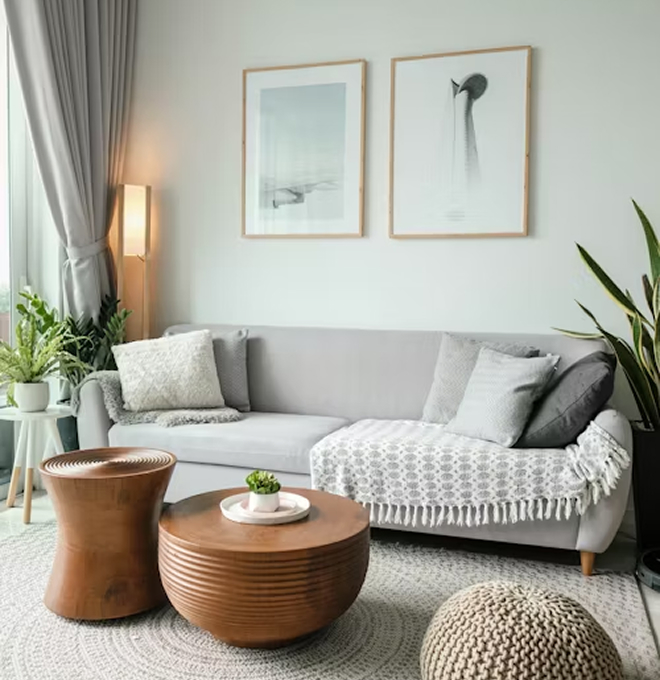
Curves and Soft Shapes Paired with Cozy Flooring
Rounded furniture and curved banquettes are trending, bringing a softer, more inviting look to dining areas:
- Furniture Choices: Oval tables and curved seating maximize space and promote a sense of intimacy.
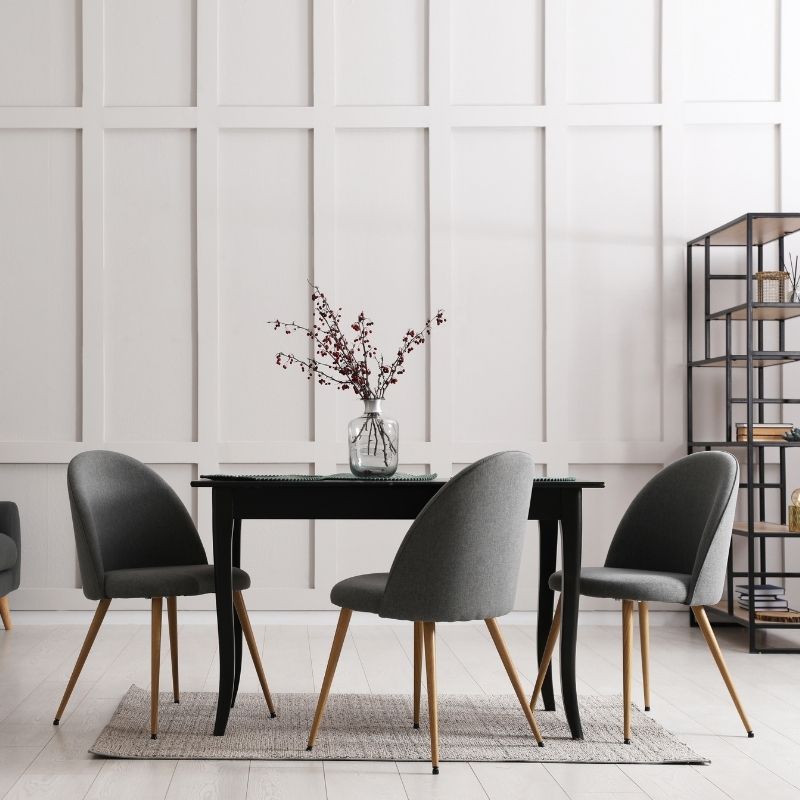
- Flooring Tie-In: Carpets or rugs with rounded edges can anchor the dining space while adding a layer of comfort. Use low-pile rugs for easy maintenance, especially under dining tables.
Indoor-Outdoor Connection with Durable Flooring
Dining areas that flow into outdoor spaces or feature large windows are in high demand:
- Design Tips: Use large glass doors or windows to bring in natural light and create a sense of openness.
- Flooring Tie-In: Durable, weather-resistant flooring like porcelain tile or waterproof LVP works well for dining areas adjacent to patios or decks.
Neutral and Monochrome Palettes Grounded by Flooring
Neutral tones and monochrome schemes are timeless and versatile:
- Decor Ideas: Use earthy tones like terracotta, beige, or sage green to create a calming atmosphere instead of stark white.
- Flooring Tie-In: Match neutral decor with warm-toned wood floors or sleek gray tiles for a cohesive and elegant look.
Shop the look
The Role of Flooring in Connecting the Dining Area and Kitchen
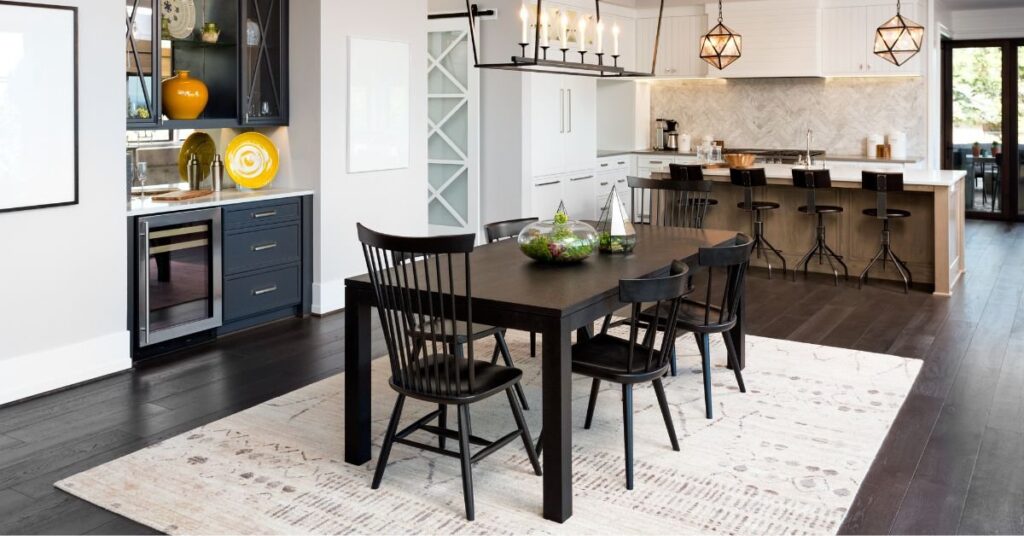
The dining area and kitchen are often part of an open-concept layout, making it essential to choose flooring that unifies these spaces. Here’s how to do it:
- Seamless Transitions: Use the same flooring material for both spaces to create a cohesive look. Hardwood, tile, and LVP are excellent choices for durability and style.
- Defining Spaces: If you prefer distinct areas, use rugs or different patterns to subtly separate the dining area while maintaining a visual connection.
- Practicality: Kitchens require flooring that’s easy to clean and water-resistant. Extend these features to the dining area to ensure functionality without compromising aesthetics.
Final Thoughts
Designing a functional and beautiful dining area in 2025 means considering every detail, from furniture to lighting to perfect flooring. By prioritizing materials that are durable, stylish, and cohesive with the kitchen, you can create a space that truly feels like the heart of your home, perfect for daily use.
Whether you’re hosting a formal dinner party, working on a project, or enjoying a quiet family meal, the right flooring and design choices will make your dining area a place you love to spend time in.
Floors USA. It’s Worth The Trip

Garage Flooring Ideas for Multifunctional Spaces